Resources
Explore our hub of virtual care and industry resources.
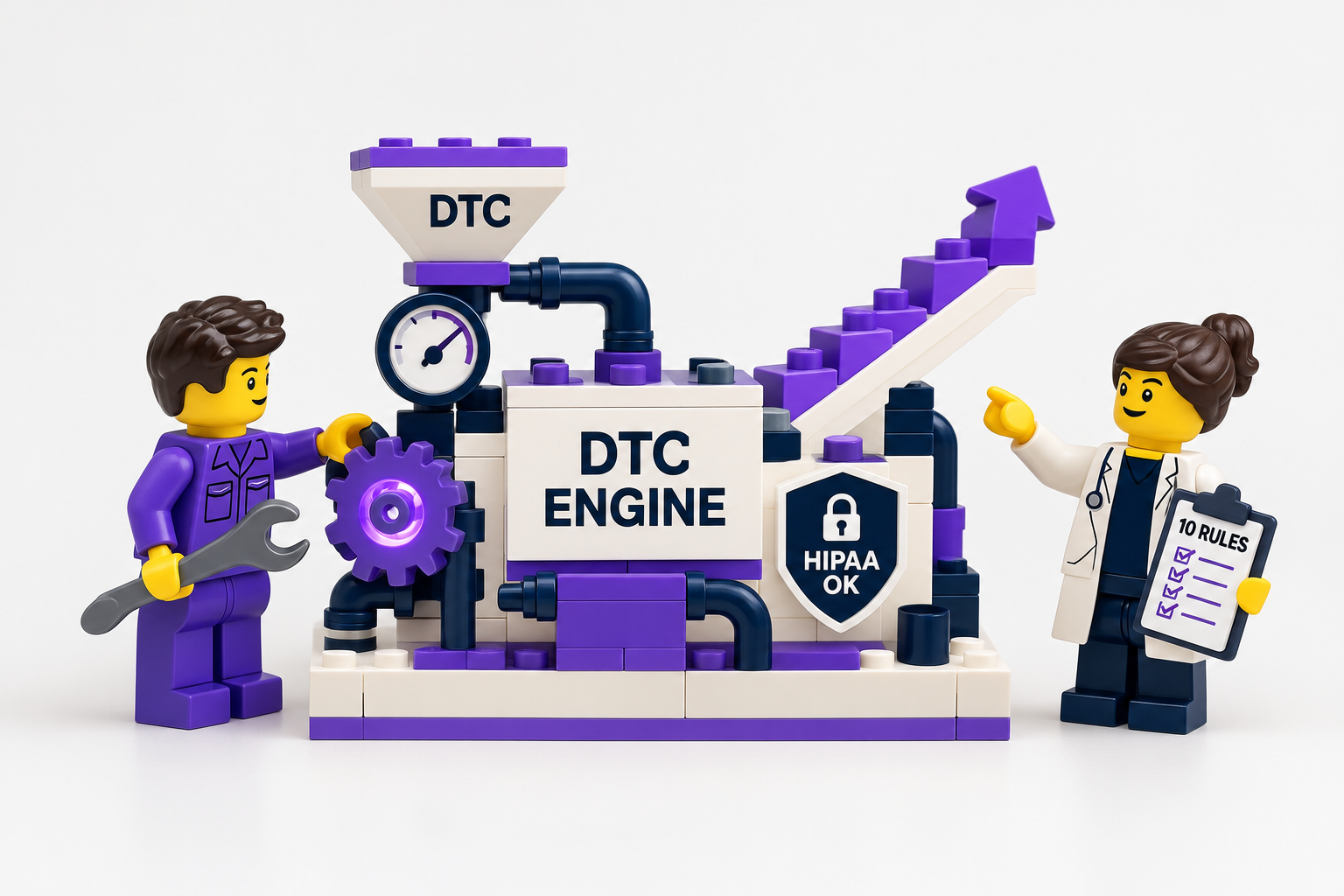
Revving the Virtual Care Growth Engine: 10 Rules for Getting DTC Right with Growth Vanguard
Bridge partnered with Tim Ming, Founder of Growth Vanguard and one of the best digital health growth marketers we know, to share 10 rules for building a DTC virtual care engine that actually scales.

Health Plan Audits Are the Most Underestimated Business Risk for Most Virtual Care Companies
Health plan audits have shifted from random checks to continuous, data-driven monitoring — it's a matter of when, not if, you will be audited. In this post, we break down the five rationalizations putting virtual care companies at risk, and the three flags that trigger most audits.

2026 Virtual Care Growth Trends
Data on ~21,000 virtual care companies — market size, revenue, and the specialties driving growth.
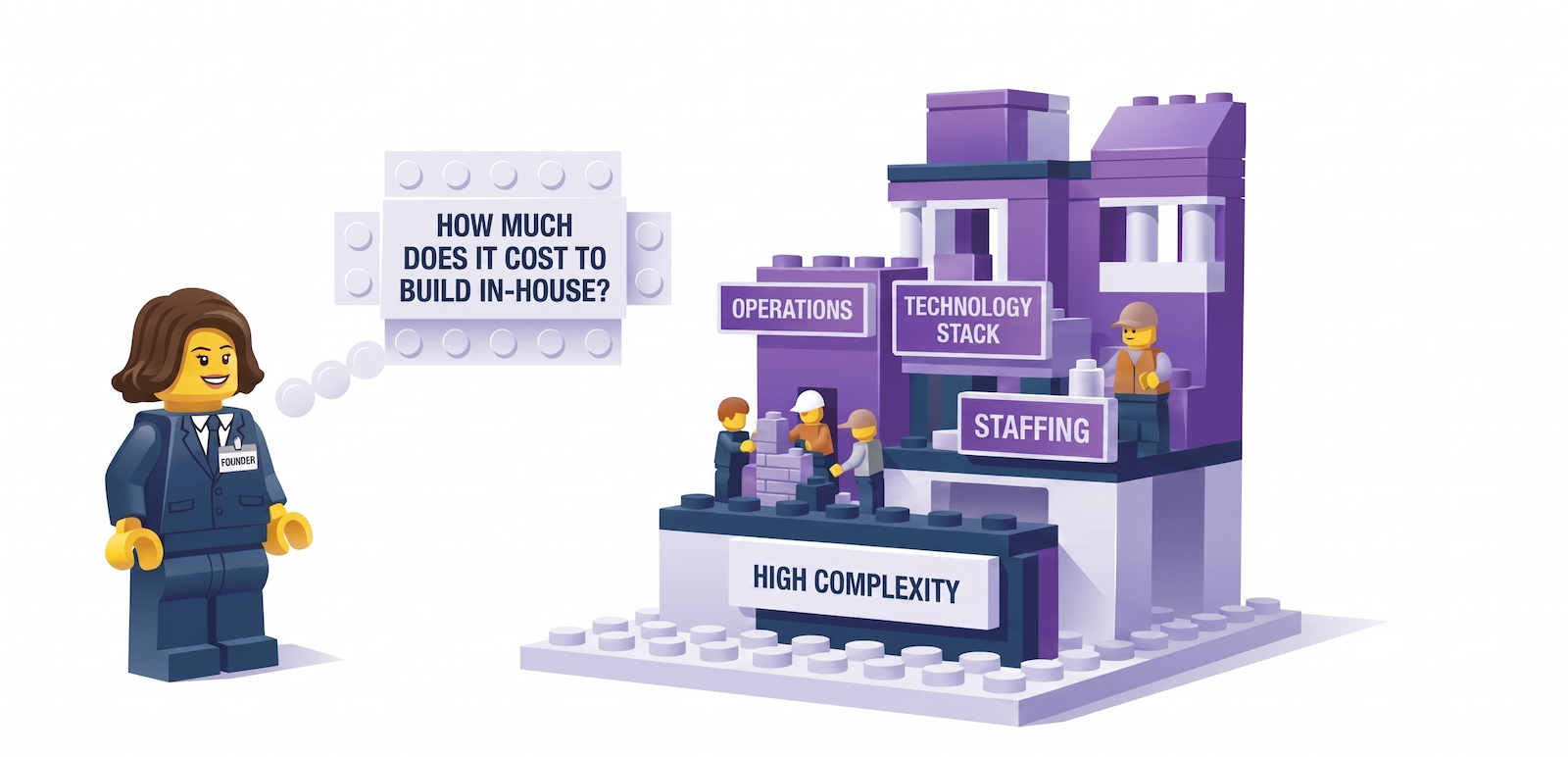
The Math for Building Insurance Operations In-House
A cost model for virtual care CEOs weighing whether to build commercial insurance operations in-house. The five workstreams, headcount, timelines, compliance exposure, and the threshold where building beats partnering.
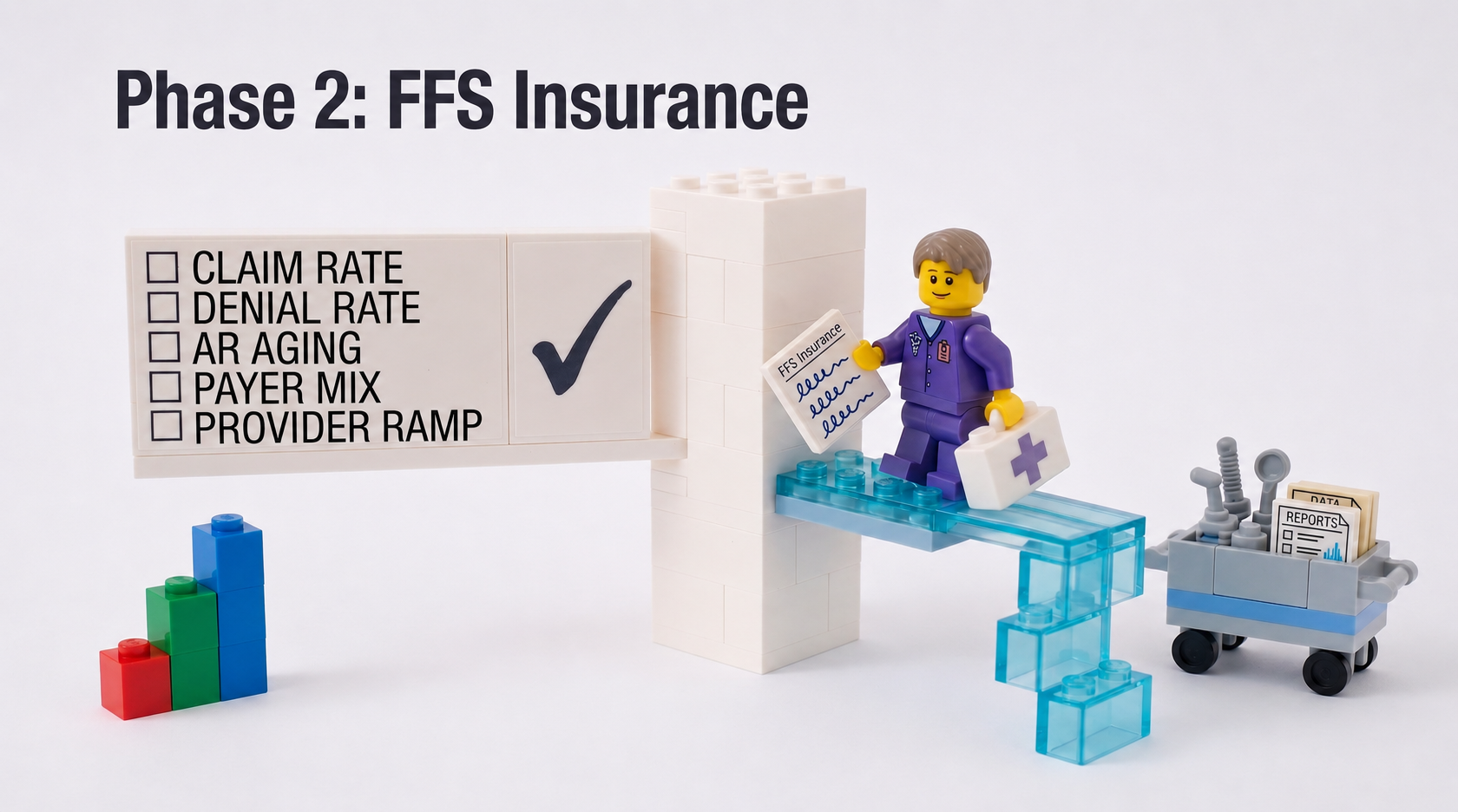
How Should Your Virtual Care Company Bill FFS Insurance?
A two-phase readiness framework for cash-pay virtual care founders deciding when to move to FFS insurance. Includes checklists, timing signals, and pitfalls.

When Should Your Virtual Care Company Accept Insurance?
A two-phase readiness framework for cash-pay virtual care founders deciding when to accept insurance. Includes checklists, timing signals, and pitfalls.

Payer Outages Are Silently Breaking Patient Onboarding. Now You Can See Them
Bridge now gives virtual care teams a live view of payer real-time eligibility system health, so you can stop guessing and start responding.

Why Bridge is a charting stickler
Most virtual care companies treat charting as a checkbox. Bridge treats it as the foundation of trust. Rigorous audits turn documentation into proof of quality, improving care, earning payer confidence, and unlocking coverage at scale.

What Car Models Can Teach Us About Care Models
Great virtual care requires more than a strong care model. It also needs a robust operational foundation. Borrowing lessons from Volkswagen’s modular car platform, this post explains how Bridge standardizes the unseen clinical infrastructure so virtual care companies can focus on what makes their programs unique.