Blog
Our health plan sent us to Virtual Care, we ended up in the ER
Our health plan's app sent us to virtual urgent care. Two clinics, zero visits and one ER trip later, here's what health plans can do so members actually get seen.
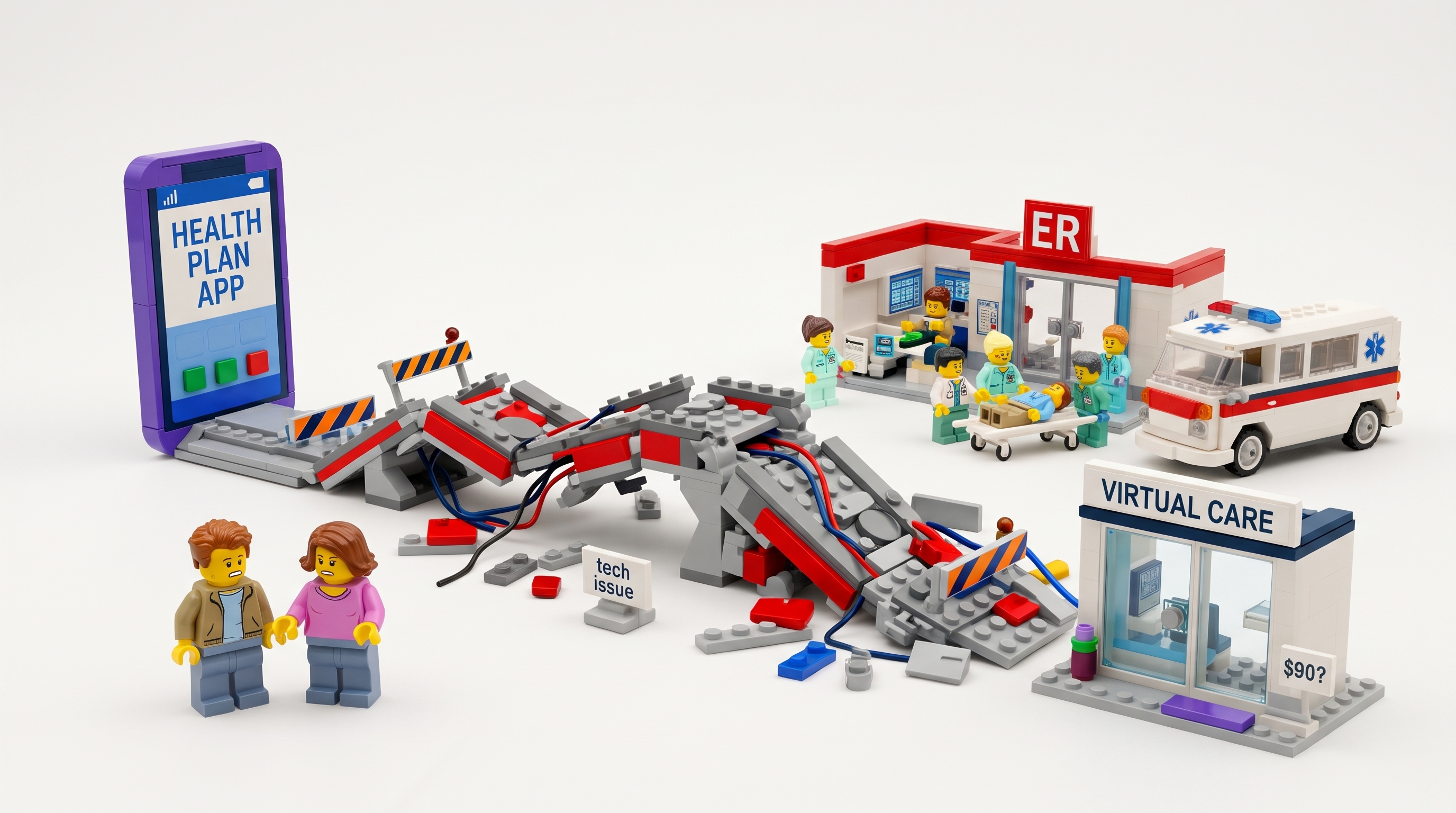

We tried our plan's preferred virtual provider, but ended up in the ER.
I've worked in healthcare and with health plans for decades. When a health issue comes up, I'm someone who knows how to navigate the system. I just had a weekend that proved otherwise.
Bridge's CEO, Keaton Bedell, wrote about how AI chatbots are going to change (and improve) the way patients find care. He's right, and it's worth thinking about what that should look like. But my experience reminded me that the more urgent problem is something that can be solved now, with or without AI. Health plans already send members to virtual care. Too often, the trip falls apart before the member ever sees a clinician.
Here's what that looked like for my family, and what I'd ask health plans to do about it.
Two virtual care clinics, zero visits
My wife woke up with abdominal pain. It was in the lower right side of her abdomen, right about where the appendix sit. Not yet an obvious emergency, but not something we were willing to sit on either. So we did what our health plan wants members to do: we opened the plan's app and went to virtual urgent care.
The first virtual care clinic promised a $0 copay, so we selected it and were sent out of the app to the clinic's website. We re-entered our information (the same information the plan already had, so this is the first break in what should be a seamless process). Despite being shown $0 on our health plan's app, the clinic's site quoted a cost. We went back and adjusted our insurance details until the price matched. It finally seemed like we would get care. But when a clinician joined, they couldn't hear us — tech issue. There was also so much background noise on their end it sounded like a daycare or something. The call then dropped. They tried to move us to someone else, but nobody came on. We sat in a queue. After ten minutes of rising anxiety, it was time to move on.
We gave up on that virtual clinic and tried a second. The link from the plan's app opened their website, broke, and closed. Again and again. We went to the website directly, worked through a long intake that included our full family medical history, and got to the end only to be told the visit would cost $90. The plan's app had told us $0. More time, more anxiety. I hit the tipping point…
Some who know me well are aware of a different version of me, one that moves from thinking to action. This Mark has been called "pants-on-fire-Miller" by some… Well, my pants were burning at this point. I (yes, I, not we…) was done trying the logical, cost effective route and we went to the ER. And that's the worst outcome for everyone. It's the most expensive site of care (for me and the payer), it's slow, and it's the type of visit a plan's virtual urgent care benefit is designed to prevent.
It wasn't the first time it broke for me
A while back, on a different health plan, my daughter had a cold that turned into a sinus infection. We went through the plan's app to its virtual care clinic. This time the handoff worked: they pulled our insurance information directly, quoted $0, and she got an antibiotic the same day. Exactly how it's supposed to go.
Six months later we got a $59 bill. The health plan had denied the claim because the clinic's provider was out of network. The one the plan's own app sent us to. Wait, what?
My wife spent hours on the phone with the virtual care clinic, who told us to call the plan. The plan told us to call the clinic. Then the plan suggested an appeal, which I filed, and which was denied. When we went back to the clinic, they told us the provider was in network and they'd try to fix and resubmit the claim. By then we weren't even on that plan anymore.
It's $59. Paying it would have been cheaper than the time we spent. But it's a pretty clear picture of what a member goes through when the plan, the virtual care clinic and the claims system each have a different answer to the same question.
Health plans already have what they need
This is the part that gets me. The health plan is the one party in this whole chain that has everything required to make the experience smooth. It knows who I am. It knows what I'm covered for and what I'll owe. It knows which providers are in network. It has my claims history.
Passing that to a virtual care provider is not a hard technical problem. Single sign-on that carries member identity and eligibility into the provider's intake has been around for years. We built exactly that at Wildflower Health. When it's done right, the member taps a button in the plan's app and lands in the provider's queue with the correct information and cost estimate.
When it's done wrong, the member re-enters data the plan already has, gets a price that doesn't match what the plan told them, and finds out months later that the network status was wrong too. Every one of those breaks is a chance for the member to give up. And when they give up on urgent care, they don't stop needing care. They either skip it, delay it, or go somewhere more expensive. In fact, in a patient survey on virtual care that Bridge recently conducted, people that were blocked from the virtual care they sought did just this: 33% delayed or skipped care and 17% went to the ER. Not ideal.
What I'd ask health plans to do
Book a visit yourself. Have someone on your team open your member app and try to book an appointment with your virtual urgent care partner, start to finish, on a weekend. Count the screens, the re-entered fields and the price changes.
Pass the member through, don't send them away. If the handoff from your app drops the member onto a clinic's public website without any of their information, you've lost most of the value of having the benefit in your app at all. Identity, eligibility and cost share should go with the member.
Make sure cost and network status are right before the visit. A $0 quote that turns into $90 at checkout, or a $59 bill six months later, does more damage to member trust than not offering the benefit. If the plan is sending members to a provider, the plan should be able to stand behind that provider's network status. Or flip it, put it on the provider to make sure the member is directed to someone that is credentialed and enrolled correctly. But don't just dump it on the member to figure out when the member did what you asked.
Own the outcome. When a virtual visit fails, the member shouldn't be bounced between the plan and the vendor. Someone has to be accountable for the whole path, and it should be the party that sent them there.
Where Bridge fits
This is the gap we're working on at Bridge. We sit between health plans and virtual care providers and handle the plumbing that usually breaks: contracting, credentialing, eligibility and claims. The goal is simple. When a plan sends a member to virtual care, the visit happens, the price is what the member was told, and the claim pays.
Keaton's right that AI will change how people find care. But we don't need to wait for that to fix this. The data and technology are already there. It just has to be connected, so the next family that tries virtual urgent care on a weekend actually gets seen instead of ending up in the ER.
At the end of the day, both my wife and daughter were fine. Both are healthy and happy. But the experience left me very frustrated. As a veteran in the digital health space, I should be able to navigate an urgent situation. But when it breaks, I'm just like everyone else facing a loved one's potential health scare. My pants ignite and I end up saying, "screw it, we're going to the ER right now."
With today's technology, I can rant to AI for two minutes and have it help me write this article. My friends and I can set a price alert and get round-trip airfare to Japan for a ski trip for $900 (seriously, it's sweet). But a health plan, which has all of my information, still can't tell me who is or isn't in network, what it will cost me to see them, or pay the resulting claim correctly?
It's time to catch up.
You may also like

Designing Care That Delights Patients and Gets Reimbursed
A case study on Neura Health’s journey from value-based ambition to a scalable fee-for-service model by using relationships, memberships, and better visit design to drive outcomes. Learn how removing insurance infrastructure bottlenecks with Bridge helped Neura double covered lives in just 30 days.
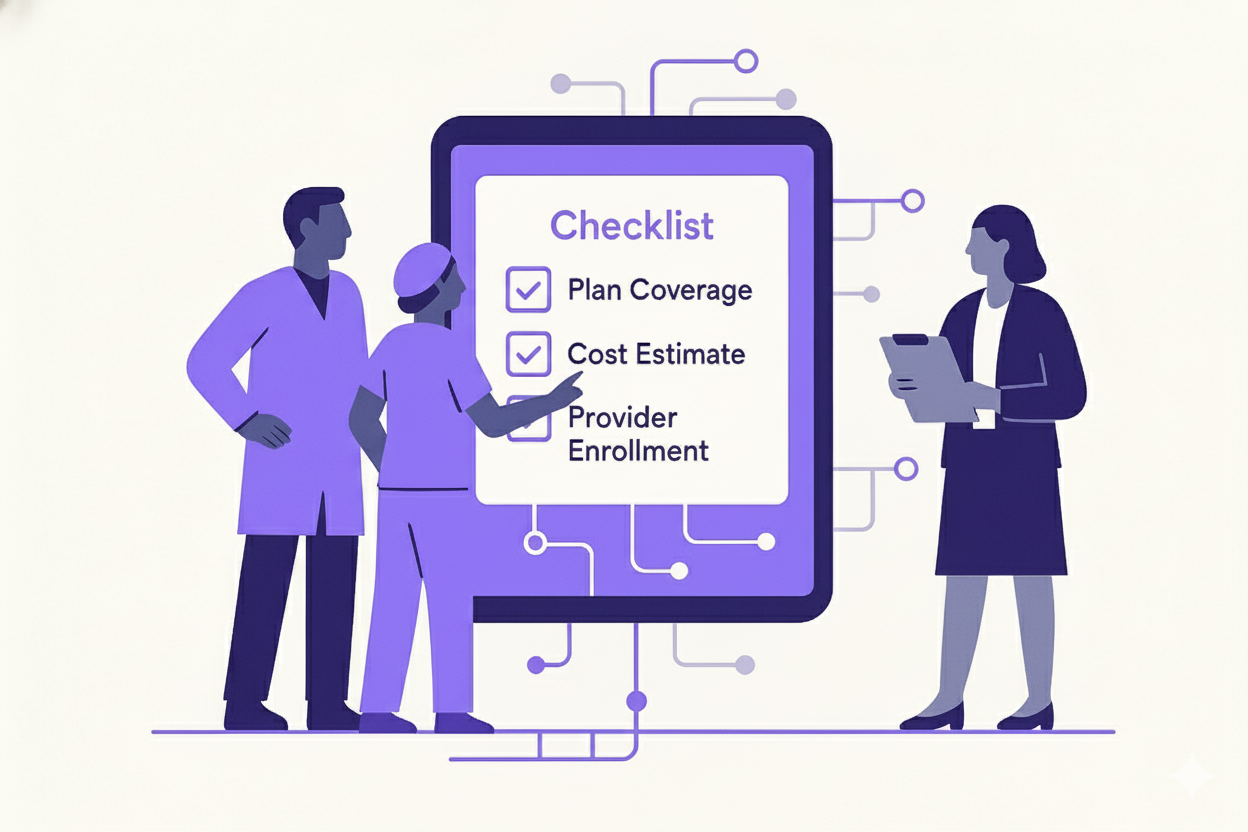
The Surgical Checklist for Telehealth Eligibility
Eligibility is the hidden weak link in telehealth economics. Bridge’s three-pillar “surgical” model transforms it into an advantage—verifying coverage, calculating real costs, and guaranteeing payment with zero eligibility-related denials.
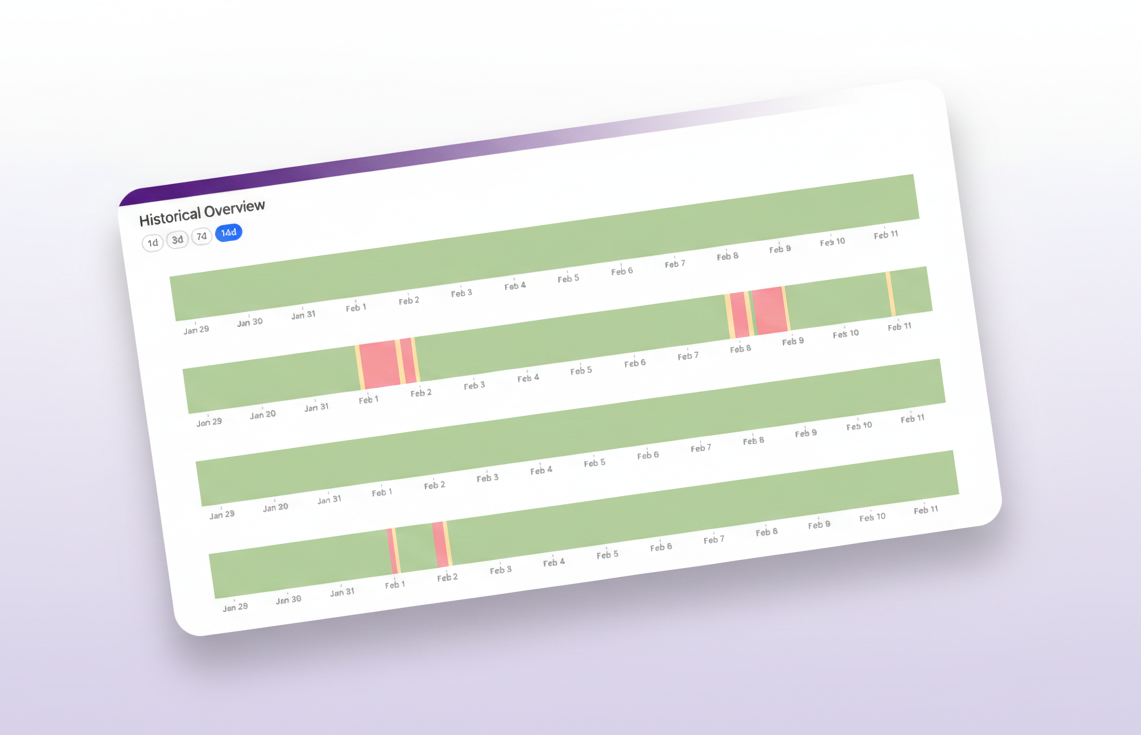
Payer Outages Are Silently Breaking Patient Onboarding. Now You Can See Them
Bridge now gives virtual care teams a live view of payer real-time eligibility system health, so you can stop guessing and start responding.